Gyansaar · Chapter 8

Renunciation (त्याग)

Chapter 8 — Not what you renounce, but from what understanding you renounce — and toward what light

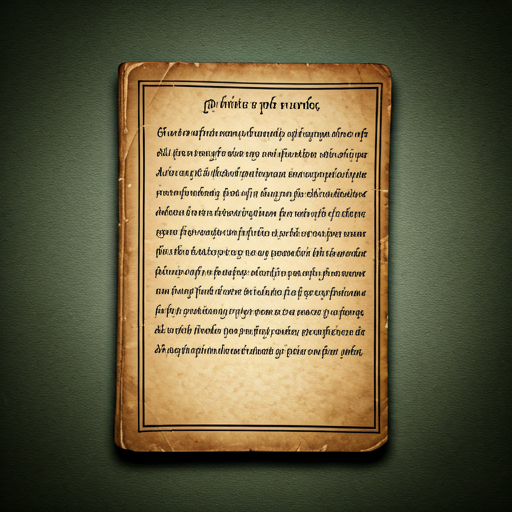
Ancient Jain manuscript — Gyansaar

वस्तुतस्तु गुणः पूर्णमनन्तैर्भासते स्वतः ।
रूपं त्यक्त्कात्मन साघोनिं रचरस्य विघोरिव ॥

"In truth, the soul's quality blazes complete and infinite, self-luminous — like the cloud-free sky revealing the full moon in all its radiance." — Gyansaar 8.8

About This Chapter

Tyag

Tyag — Renunciation — is the eighth chapter and the most radical reorientation in Gyansaar. The author opens with a subtle but crucial distinction: renouncing a specific worldly object is not significant. What matters is from what understanding and toward what vision one renounces. Renunciation without inner realignment is just deprivation.

The chapter's movement is a great descending: first renounce the worldly family and adopt the divine family (atmarati as true mother, shuddhajnana as true father, samata as true beloved). Then renounce even supportive dharmas when their purpose is fulfilled. Then renounce practices when shuddha-pada is reached. Then renounce all yogas. And at the very end — when the last cloud drops — the full moon of the pure, complete, infinite soul blazes forth by itself. Tyag is not loss. Tyag is homecoming.

8Shlokas
23Chapters Total
YashovijayjiAuthor
Chapter 8 · Gyansaar

The 8 Shlokas

Each shloka is presented with the original Sanskrit, English translation, and commentary synthesized from the vivechan.

Part 1 — The New Family (Shlokas 1–2)
8.1

संयतात्मा श्रये शुद्धोपयोगं दितरं निक्षम् ।
सृतिमम्बां च पितरो, तन्मां विगृहतां प्रूषम् ॥१॥५७॥

The disciplined soul takes refuge in shuddhopayoga as the highest father, and in the samsara-crossing mother — this is the family that truly nourishes me.

Core Teaching Atmarati · The True Family

Atmarati is the true mother — whose company brings steadiness and joy in the atma. Shuddha-atmajnana is the true father — who illumines the true path. The author does not ask for coldness toward parents — he asks for a transformation of what we call family. Until these inner parents are found, the family we think we have is a beautiful cage.

The shloka invites: abandon the material-emotional attachment to parents who bind with moha-sneha; establish a relationship with these inner-divine parents who liberate. Pray to your worldly parents for moksha — bow to them, fall at their feet, ask their blessing for the inner path — and then offer yourself entirely to atmarati and shuddhajnana. The jnani-mahatmas present here introduce you to these new parents and invite a deeper relationship with them.

The simple version: Your real mother is Atmarati — the taste of resting in yourself. Your real father is Shuddha-Atmajnana — pure self-knowing. Until you find these parents, the family you think you have is a beautiful cage.

ContemplateWhat would it mean to truly be nourished by atmarati? When did you last feel your soul as home?
ShuddhopayogAtmaratiSamsara-crossingDivine parentageTyag as re-orientation
8.2

कान्ता से समतैलौका, ज्ञातयो से समक्रिया ।
बाह्यवर्गमिति त्यक्त्वा, धर्मसंन्यासवान् भवेत् ॥२॥५८॥

Renouncing the bondage of worldly associations, embrace as true companion: Shil, Satya, Dharma-Upasham, Santosh — the eternal, self-illuminating virtues.

Samata is my one and only priyatama (beloved). I have been unfaithful to her my entire life. I went to Mamata-veshya, Trishna, Khumti — they promised pleasure but looted me every time, dishonored me, threw me out. Yet when I recovered somewhat, I rushed back again. But Samata — always waiting, infinitely sushil — her company gives true peace, apaar sukh, and boundless prasannata. The real family are those who carry mana-vachan-kaya toward moksha, who are always raga-free, who are the true benefactors of all jivas. The worldly sneha-svajano can never be in truly selfless un-tied love with you. But Shil, Satya, Samata, Dharma — these are your real siblings and beloved. They never leave. They never betray.

The simple version: You have been cheating on Samata your whole life. She was always faithful. The worldly family — however loving — binds with moha. Shil, Satya, Samata are your real family. They never abandon you, in any life.

ContemplateWho is your true beloved — Samata or Mamata? How much of your inner life is spent in Mamata's house versus Samata's?
ShilSatyaSamataSneha vs. Dharma-bandhuPriyatama analogy
Part 2 — Dharma-Sanyasa: Transcending the Scaffolding (Shlokas 3–4)
8.3

धर्मस्त्याच्यया, सुतमोत्स्मा, क्षायोपशमिका अपि ।
प्राप्य चंदयण-चांभ, धमसन्यासमुरानम् ॥३॥५९॥

Even kshaayopashamik dharma must be ultimately renounced (dharma-sanyasa). Through dharma-sanyasa, the highest pure path is attained.

Core Teaching Dharma-Sanyasa · The Ladder Left Behind

Kshaayopashamik dharma is the porch to reach the inner palace of kshaayik bhav. Kshaayik guna is the atma's true svarup — like sandalwood fragrance is sandal's permanent nature. When kshaayik manifests, the kshaayopashamik dharmas are naturally left behind — like a ladder abandoned once the rooftop is reached. Dharma-sanyasa is not abandoning dharma. It is arriving.

From the contact of pious dev-guru, mithyatva, kashaya, ajnan, asanyam are purged and the atma shines with samyakta, samyag-jnana, sanyam. These kshaayopashamik dharmas are necessary — but only until kshaayik gunas are attained. When that manifests, the supportive dharmas are naturally transcended. The path to the second apurvakarana on the eighth gunasthana is dharma-sanyasa. Before samyag-darshan it is called anattatvik dharma-sanyasa. The ultimately fruitful is beyond — the ayogic stage.

The simple version: You need the ladder to reach the roof. But once you're on the roof, you don't stand on the ladder anymore. Dharma-sanyasa means you've arrived — not that you've abandoned dharma.

ContemplateAre you clinging to the ladder after reaching the roof? Or have you truly stepped inside?
Dharma-sanyasaKshaayopashamikKshaayik dharmaApurvakaranaGunasthana
8.4

कान्ता से समतैलौका, ज्ञातयो से समक्रिया ।
बाह्यवर्गमिति त्यक्त्वा, धर्मसंन्यासवान् भवेत् ॥४॥६०॥

"Samata alone is my beloved wife; those of equal conduct are my relatives." Renouncing the external group in this way — become a true dharma-sanyasi.

The param-tyagi's declaration: samata is my priyatama, and those with same-dharmic conduct are my true relatives. Renouncing outer varga in this spirit — with raga-dvesha-moha dissolved — one becomes dharma-sanyasvaan. The atma's shil, satya, dharma are its sthayibhav like sandalwood fragrance. Every jivnatma has kshaayik jnana, darshan, charitra inherent in its svarup. The renunciation of kshaayopashamik kshamaadi gunas is dharma-sanyasa — the second apurvakarana at the eighth gunasthana level.

The simple version: When you've truly left the outer world — not just in body but in affection — and adopted Samata as your beloved, your relatives are those who walk the same inner path. This is what makes a tyagi real.

ContemplateHave you truly divorced Mamata and married Samata — even for a moment? What would that feel like?
SamataKantaDharma-sanyasaGunasthanaSthayibhav
Part 3 — The Guru and the Five Practices (Shlokas 5–6)
8.5

गुरुत्बं स्वस्य नोदेति, शिक्षासांत्म्येन याचता ।
श्रात्मतत्त्वप्रकाशेन, ताटत् सेव्यो गुरुतांस ॥५॥६१॥

True guruhood does not arise through self-assertion; it comes through teaching aligned with the truth. Until the guru reveals the atma-tatva — take refuge in such a sadguru as guide and aradhana.

Just as abandoning worldly snehi-svajanos is necessary, so is recognizing that pseudo-spiritual connections — when they do not open the atma-tatva — must also be transcended. Shishya must practice "grahana" (receiving) and "asevana" (deep practice) shiksha. The five acharas must be followed earnestly: jnanachara (until kevaljnana), darshanachar (until kshaayik-samikta), charitrachara (until yathaakhyat-charitra), tapachara (until shukladhyan pervades entirely), viryachara (until anant-vishuddh virya manifests). Among the five mahavrats, pramada-vimochan, daily observance of panchachara — this is the sadguru's highest upkaar on the shishya. Without same-bhaav — matching inner direction — no sadguru can truly serve.

The simple version: The guru's greatness comes from aligning teaching with the atma-tatva — not from lineage or position. Until that guru appears, keep seeking and keep practicing the five acharas with full commitment.

ContemplateAre you truly receiving from your guru — in grahana and asevana — or only attending? What would deep reception look like for you?
SadguruPanchacharaGrahana-shikshaAsevanaAtma-tatva
8.6

ज्ञानाचरादयोऽपीष्टाः, शुद्धस्वस्वपदाबधि ।
निविकल्पे पुनस्त्यागे, न विकल्पो न वा क्रिया ॥६॥६२॥

Even jnanacharadi acharas are necessary — but only up to the attainment of shuddha-pada. In nirvikalpa tyag, there is neither vikalpa nor any kriya.

Core Teaching Nirvikalpa · Practices Are Means, Not Ends

All practices — jnana-path, darshan-path, charitra-path — are scaffolding. Necessary while the building is going up. The moment of nirvikalpa tyag is the building complete — scaffolding down. The acharas must never be abandoned prematurely. But one must always remember their purpose: they serve until shuddha-pada, not beyond.

Shuddha sankalp-purvik kriya is fruitful. Follow jnanachara until kevaljnana. Darshanachar until kshaayik-samikta. Charitrachara until yathaakhyat-charitra. Tapachara until shukladhyan pervades the atma entirely. Viryachara until anant-vishuddh virya's nibandh is complete. This is the firm sankalp with which all practice must be held. In the nirvikalpa state, there is no residue of vikalpa and no external kriya — only pure awareness. Not because one has given up — but because one has arrived.

The simple version: Every practice you do is a means, not an end. When you reach the pure state, there's nothing to do. Not because you've given up — but because you've arrived.

ContemplateAre you practicing the five acharas with the sankalp of kevaljnana — or as ritual, habit, or social performance?
PanchacharaNirvikalpaShuddha-padaTyag as transcendenceKevaljnana
Part 4 — Nirguna and the Full Moon (Shlokas 7–8)
8.7

योगस्त्यागतस्त्यागी, योगमानव्यसिलाल्रत्यजेत् ।
इत्येवं निगु॑ण ब्रह्म, परोत्रमुपचते ॥७॥६३॥

The true tyagi abandons yogas progressively — leading to nirguna brahma, the ultimate state of ayog.

Core Teaching Ayog · The Absolute Yoga-Sanyasa

Abandoning yogas does not mean suppressing them by force — it means the progressive resolution of udayik and kshaayopashamik bhavas until the 'ayoga' state is reached. When all aupadhik dharma-yoga is transcended, what remains is nirguna brahma — the soul's primordial, attribute-free radiance. This is not emptiness. This is fullness beyond description.

Yoga drishti samucchay describes this: kshaayopashamik dharma's tyag is dharma-sanyasa at the eighth gunasthan's second apurvakarana. Before samyag-darshan this is anattatvik dharma-sanyasa. The full yoga-tyag leads to 'ayogya karma' — absolute yoga-sanyasa where the liberated soul's consciousness burns off all residue. The jivnatma, through pramada-free atma-bhaav rooted in Arihant's nature, approaches the state where even 'dropping weapons' reaches its final resolution. This is the nirguna — always was complete, always will be complete.

The simple version: The tyagi's path: drop worldly attachments, drop practices, drop the yogas. At the very end, the nirguna self shines alone — always was complete, always will be.

ContemplateWhat is the next yoga — thought-pattern, habit, identity — that you are being asked to let go of? What holds you back?
NirgunaAyogYoga-tyagSarva-sanyasaDharma-sanyasa
8.8

वस्तुतस्तु गुणः पूर्णमनन्तैर्भासते स्वतः ।
रूपं त्यक्त्कात्मन साघोनिं रचरस्य विघोरिव ॥८॥६४॥

In truth, the soul's quality blazes complete, infinite, and self-luminous, on its own — like the cloud-free sky revealing the full moon of Poornima in all its radiance.

Core Teaching Purna-Atma · The Full Moon Was Always There

The moon was always full. It was only the clouds. All renunciations — of family, of belongings, of practices, of yogas — were cloud-clearing. When the last cloud drops, only the blazing light remains. That is you. The entire Tyag chapter was about removing clouds — not about making the moon. The moon is already complete.

Like the full moon of Poornima — not obscured by a single cloud, clear sky, sixteen phases complete — this is the vision the author offers. Anupam, achala, sarvottam svarup. The param-tyagi/yogi's svarup is purna and anant-gunon se dedipta — blazing with infinite qualities. The message of Tyag chapter: the atma's true svarup is purnata — infinite, self-luminous. We could not see it because clouds of kashaya, raga, moha covered it. Shlokas 1–7 removed the clouds one by one. Now look up. The full moon blazes. Nothing was ever missing. Nothing will be missing. Tyag is not loss — it is rediscovery.

The simple version: The moon was always full. The clouds were the problem, not the moon. All of tyag — renouncing family, practices, yogas — was cloud-clearing. When the last cloud drops, only the blazing light remains. That light is you.

ContemplateWhat is the last cloud between you and the full moon of your own svarup? Can you name it?
Purna-atmaNirgunaCloud-moon analogySiddha-darshanTyag as revelation
arrow_back Ch7 Ch9 arrow_forward