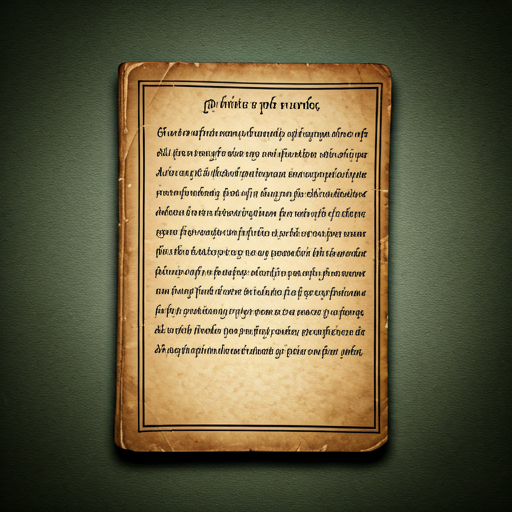
अप्पाणमयाणंता मूढा दु परप्पवादिणो केई।
जीवं अझ्झवसाणं कम्मं च तहा परुवेंति ॥३९॥
Not knowing the soul's true nature, some foolish para-ātmavādins declare that karma and adhyavasāna (passionate mental dispositions) are the soul.
The Adhikar begins where all spiritual error begins: not knowing the soul. When someone doesn't know what the self actually is, they look outward — to emotions, to karma, to states of mind — and call those the self. It's like someone who has never seen a mirror not knowing what their face looks like, so they describe themselves by their clothes instead. The clothes are not the person; the feelings and karma are not the soul. The term para-ātmavādin means "one who identifies with what is other than the soul." This is not just an ancient philosophical mistake. It describes the default state of most people today. When someone asks you "Who are you?" — most people answer with a name, a job, a mood, a story. These are all ajīva (non-soul) things. The verse calls such people "mūḍha" — which means deluded or confused — not to insult them, but to describe their situation precisely. They are lost in a case of mistaken identity. The specific errors named here are: (1) calling adhyavasāna — the charged emotional mental states like anger, fear, desire — the soul; and (2) calling karma the soul. Both mistakes collapse the wall between jīva (consciousness) and ajīva (matter) that this entire Adhikar will carefully rebuild.
The simple version: The verse says that those who don't know the soul look at the wrong things — like anger, desire, and karma — and say "that is me." It is like someone pointing at their shadow and saying "that is my body." The shadow follows you around, but it is not you. Karma and emotions follow the soul around, but they are not the soul. This is the root mistake that the whole Samaysaar is trying to correct. Until you know what the soul actually is, you will keep calling the wrong thing "me."